
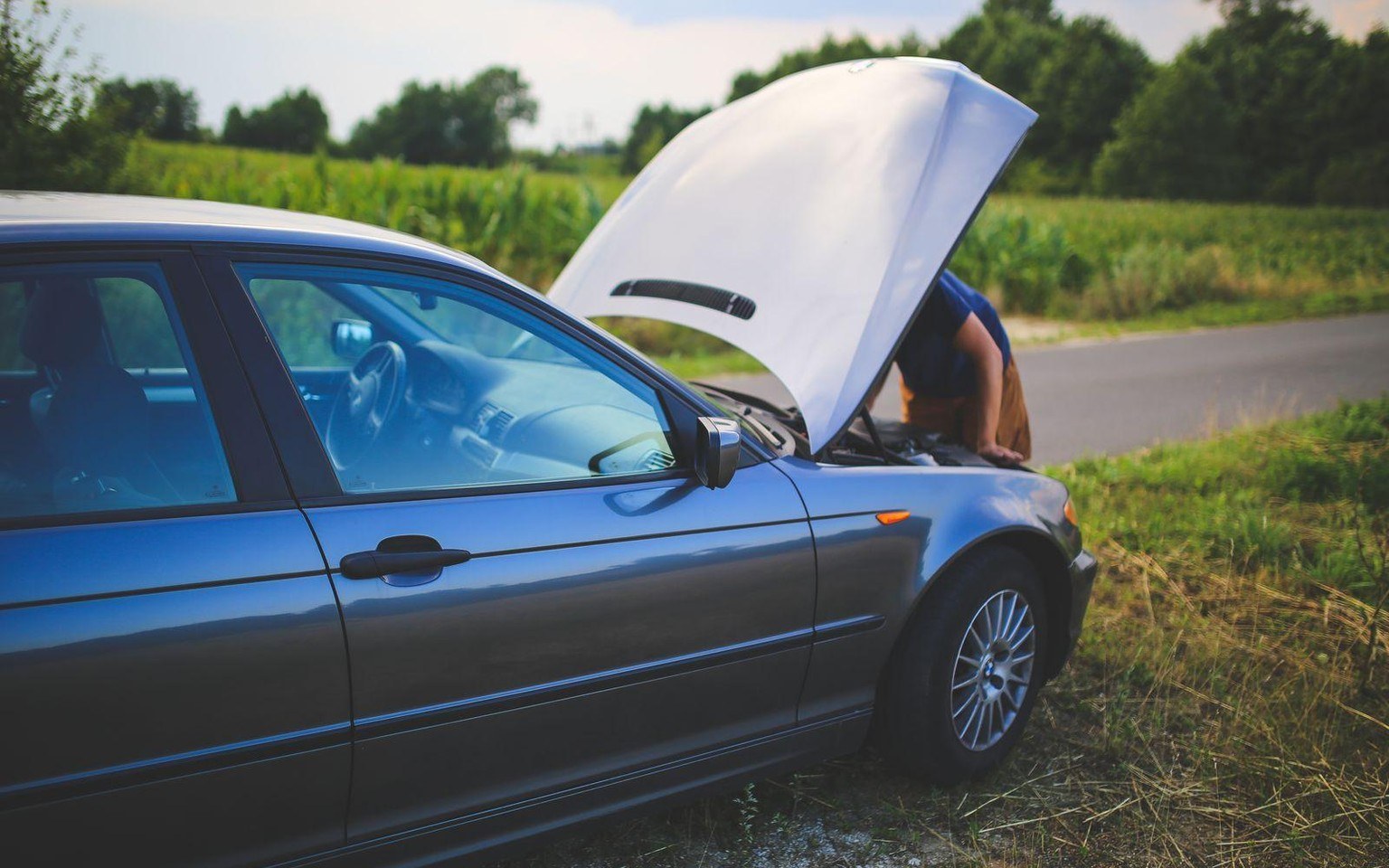
On the motorway, the temperature gauge reads normally, but after a few minutes stuck in traffic it suddenly starts to rise. A warning light may come on, steam may appear from under the bonnet, or the air conditioning may stop cooling. The difference between driving and standing still is no coincidence: the cooling system operates under different conditions in these situations. However, overheating can have several causes, and the wrong response can turn a routine repair into an expensive problem.
A car often overheats in traffic because the radiator is no longer cooled by passing airflow and the electric fan cannot compensate for it. The cause may be a failed fan, fuse or sensor, but also low coolant, a thermostat or the water pump. If a warning appears, stop safely, switch off the engine and do not open the hot cooling-system cap. If the problem persists, call for assistance.
Why the fault appears when the car is stationary
During normal driving, air flows through the front grille and removes heat from the radiator. In slow-moving traffic, this airflow is weak or absent altogether. That is why the car needs a fan to push or draw air through the radiator even when the vehicle is stationary. This principle applies whether it is a hot summer day or a traffic jam forms in cooler weather.
If the fan does not start, the temperature may rise while the car is stationary but appear to return to normal once you set off. This is a useful diagnostic symptom, not proof that one specific relay is to blame. Modern cars may have several fan speeds, multiple fans and controls linked to the air-conditioning system.
The cooling system also needs a sufficient amount of the correct coolant, as well as a functioning thermostat, pump, hoses and a sealed circuit. If any part is not working, the driver may notice similar behaviour even at higher speeds or when driving uphill.
Most common causes: what is possible and what we still do not know
Radiator fan. The fan motor, fuse, wiring, control electronics or temperature sensor may fail. The sound of the fan alone is not enough for a complete diagnosis: in some cars, it only switches on once a certain temperature is reached, and it often runs because of the air conditioning as well.
Low coolant level or a leak. Coolant may leak through a hose, radiator, reservoir, seal or another location. A low level after the engine has cooled down is a reason to look for the cause, not simply keep topping it up without checking. Watch for puddles under the car, a sweet smell or traces of dried coolant.
Thermostat and circulation. A stuck thermostat can prevent coolant from flowing through the radiator. A damaged water pump or a problem with the pump drive, in turn, reduces the system's ability to carry heat away from the engine. A clogged radiator or a dirty front end of the vehicle can have a similar effect.
A more serious engine fault. Repeated overheating, substantial coolant loss, unusual smoke or an emulsion in the oil may also warrant checking the head gasket and other components. However, you cannot confirm this diagnosis at home from a single symptom.
What to do when the warning light comes on
If the warning light or temperature gauge indicates overheating, safety is the priority. In traffic, use your indicator and find a place where you will not be stopped in a live lane or put others at risk. When it is safe, pull over and switch off the engine. If there is significant steam or severe overheating, do not continue “for just a few more kilometres” to a garage.
If you cannot immediately move out of the flow of traffic safely, switching off the air conditioning may reduce the load. Some motoring organisations also recommend briefly turning on the heater, which can help remove some heat. However, this is not a repair and should not be used as a reason to continue driving with an engine that is already in a warning state.
Never open the expansion tank or radiator cap when the engine is hot. The system may be pressurised, and boiling coolant can cause serious burns. Wait for it to cool completely, following the vehicle manual. Keep your hands away from the fan: it may start automatically even after the engine has been switched off.
If the level has dropped after the engine has cooled, follow the manual's instructions on the correct coolant. Pouring cold water into an extremely hot engine or bleeding the system improperly will not solve the problem and can be dangerous. If the warning recurs or a leak is visible, arrange recovery and diagnostics.
How to tell normal operation from a risk
In some vehicles, the temperature gauge remains in one position for a long time because it is electronically damped. A sudden movement or a red warning light may therefore indicate a significant problem already. In other vehicles, the driver sees a digital temperature reading that normally varies slightly within a certain range. Assess the behaviour according to the manual for your specific model, not a universal figure from an online discussion.
Pay attention to the cabin heating as well: if a system that had previously been heating starts blowing only cold air while the engine temperature rises at the same time, there may be a problem with coolant circulation or level. This is not the time to experiment under the bonnet.
What a repair shop should check
The description “it overheats only in traffic, then the temperature drops once I set off” is useful to a mechanic. Add whether the air conditioning was on, whether the fan could be heard, which warning the car displayed and whether the coolant level had dropped. A repair shop can check the fan and its controls, system pressure and leaks, thermostat operation, flow, the pump and fault messages from the engine control unit.
Before a holiday trip, check the level only when the engine is cool and follow the manual. The front grille should not be clogged with dirt or covered by improvised accessories. Coolant should be changed according to the manufacturer's specification; do not blindly try mixing incompatible types.
Important: If the engine is already overheating, do not wait for a complete failure. Recovery may be cheaper than the damage caused by continuing to drive. This text helps you recognise the symptoms; it does not replace diagnostics for a specific vehicle.
Sources

Gabriel Čatár
I'm interested in everyday things we encounter but don't always understand. From technology and personal finance to practical guides and fascinating facts about the world. At Offpitch, I focus on topics worth exploring in greater depth, checking the facts and explaining them in a clear, accessible way. My goal is to make sure readers take away something useful from every article.


