

How to Protect Yourself from the Heat: What Happens When the Body Overheats and When Heatstroke Becomes a Risk
Heat is more than just an unpleasant feeling that makes us sweat more and sleep poorly. In high temperatures, the human body must work continuously…
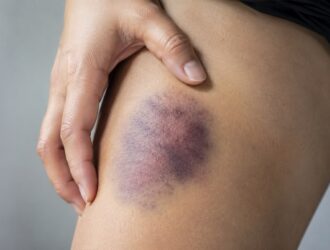
What Does a Black Bruise Mean?
A black bruise may look alarming at first, but it is very often a normal stage in the healing process after a blow, fall, or…
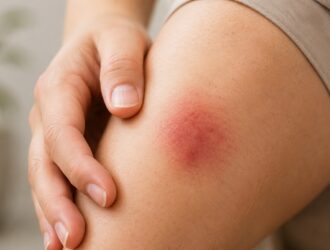
What Does a Red Bruise Mean?
A red bruise usually indicates a recent contusion in which an impact damaged tiny blood vessels beneath the skin, causing blood to collect around the…

Why Is a Bruise Yellow? What Does the Yellow Color Mean?
A bruise is a common occurrence that most people associate with a blue, purple, or dark mark on the skin. However, many are surprised when…

Why Is a Bruise Blue? A Simple Explanation of the Color Under Your Skin
A bruise is something almost everyone is familiar with. A hard bump against a table, a fall, playing sports, working around the house, or simply…

Why Do Farts Smell? The Science of Flatulence Odor—and What to Do About It
The smell of “farts” (medically: flatus) isn’t random or just a joke. Odor has clear chemical causes, it’s linked to food, gut bacteria, and only…
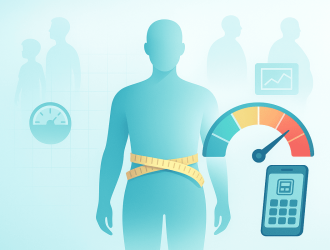
BMI: what it is, a table, overweight risks by age, and an accurate BMI calculator
In short: BMI (Body Mass Index) is a simple calculation based on weight (kg) and height (m) used as a screening tool for weight status…
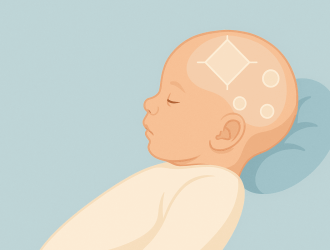
How Many Fontanelles Does a Newborn Have, and Where Exactly Are They?
A newborn has six fontanelles (“soft spots” on the skull): 1 anterior (front), 1 posterior (back), 2 sphenoidal/sphenoid (front sides) and 2 mastoid (back sides).…

What happens to a cryonically frozen body if the company goes bankrupt?
The idea that after death you’ll “have yourself frozen” and wake up hundreds of years later in a new era sounds like sci-fi. But cryonics…
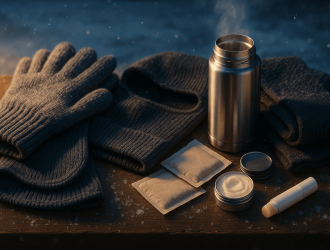
How to Prevent Frostbite and Hypothermia: Practical Winter Tips (Not Just Clothing)
Frostbite is tissue damage caused by freezing, most often affecting peripheral and exposed areas such as fingers, ears, the nose, and cheeks. In wind and…


