
Aktualizované 13.09.2026
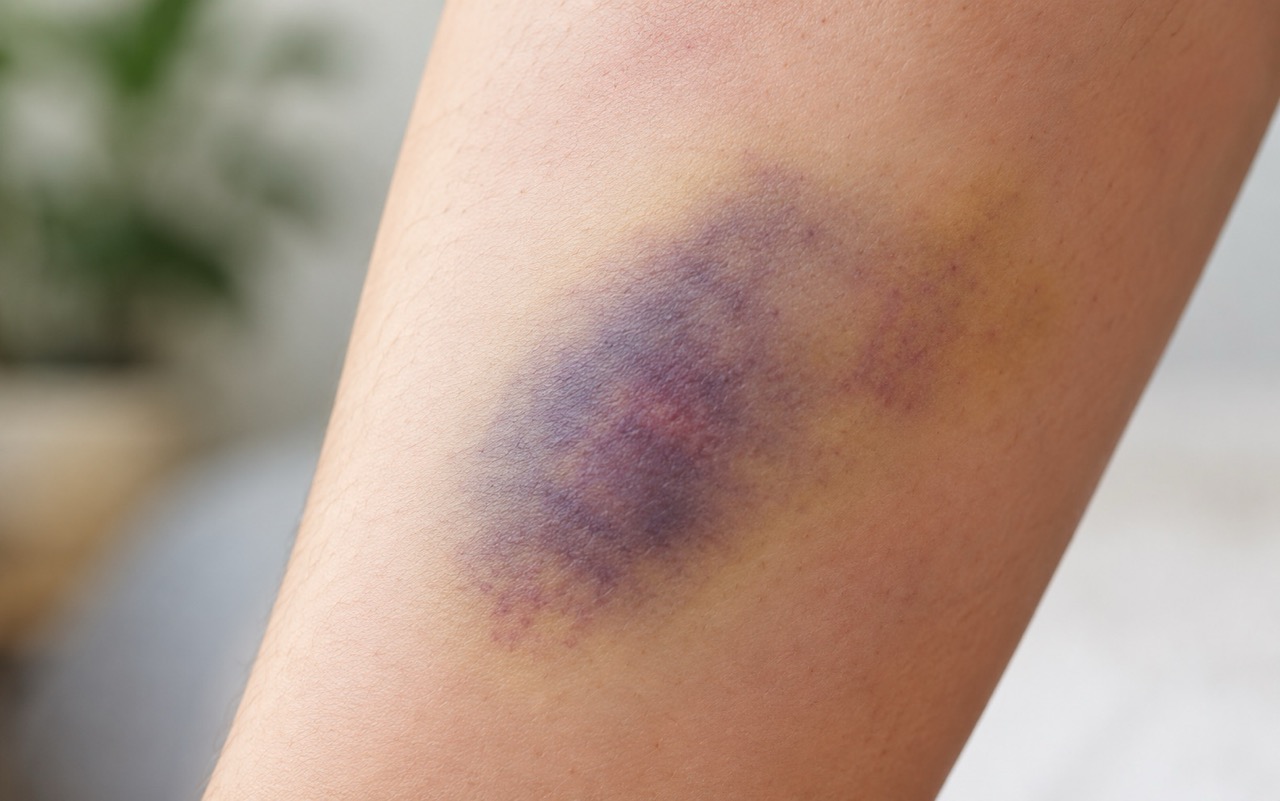
A bruise is something almost everyone is familiar with. A hard bump against a table, a fall, playing sports, working around the house, or simply not paying attention can leave a blue or purple mark on the skin after a while. Although it may seem like a minor everyday issue, its color is not random. A bruise’s blue tint is caused by blood, damaged tiny blood vessels, hemoglobin, and the way light passes through the skin.
A bruise is blue because an impact ruptures tiny blood vessels beneath the skin, allowing blood to leak into the surrounding tissue. This blood is not on the surface but hidden beneath layers of skin. As it darkens and light reflects differently through the skin, we see it as a blue, bluish-purple, or dark patch.
You might also like
What Is a Bruise and How Does It Form?
A bruise forms when an impact damages tissue and tiny blood vessels beneath the skin. The skin itself usually remains intact, so the blood does not flow out of the body but leaks into the spaces between cells. This blood accumulating beneath the skin creates the visible discoloration commonly known as a bruise.
In medical terms, a bruise is often called a contusion or ecchymosis. It is bleeding into tissue without an open wound. That is why a bruise does not look like ordinary bleeding but rather like a colored patch beneath the skin. Its appearance depends on how much blood has leaked out, how deeply it lies, how thick the skin is, and where the injury is located on the body.
Bruises most commonly appear on the legs, arms, hips, thighs, or shoulders. These parts of the body can easily strike objects or are more exposed to falls and impacts. Some people develop a bruise after only a minor bump, while others do so only after a stronger impact. The difference may be due to blood vessel sensitivity, skin thickness, age, or overall health.
Why Is a Bruise Blue?
A bruise is not blue because the blood inside the body is blue. Human blood is red because it contains hemoglobin, a protein in red blood cells that carries oxygen. However, when blood escapes from a vessel and becomes trapped beneath the skin, its color does not look the same through the skin as fresh blood on the surface.
The key is that the blood in a bruise lies beneath layers of skin. Light must first pass through the skin, reflect off the underlying tissue and blood, and then travel back to our eyes. Along the way, different colors of light are absorbed and scattered differently. As a result, blood hidden beneath the skin may appear blue, purple, or almost black, even though the blood itself is not blue.
A similar effect can be seen with veins. Veins beneath the skin often appear blue even though the blood inside them is not. Their apparent color is caused by the way light penetrates the skin, how blood absorbs it, and how our eyes perceive the reflected light. Something similar happens with a bruise, except that instead of blood contained within a vessel, it is blood that has spread into the tissue.
What Role Does Hemoglobin Play?
Hemoglobin is the main blood pigment in red blood cells. Under normal circumstances, it carries oxygen from the lungs to the tissues and helps give blood its characteristic red color. After an impact causes blood to escape from a vessel, however, the red blood cells enter an environment where they no longer perform their usual role.
Immediately after an injury, the area may look more red or pink because the blood is fresh. As the blood beneath the skin begins to change and the oxygen in the hemoglobin is used up, it darkens. Through the skin, this darker blood may then appear blue or bluish-purple. That is why people often describe a bruise as blue, even though its appearance actually results from a combination of the colors of blood and skin, as well as light.
A bruise’s blue tint therefore does not have just one cause. It is neither solely a chemical change in the blood nor merely an optical illusion. It is the combined result of damaged blood vessels, blood beneath the skin, hemoglobin, the depth of the injury, and the physics of light. That is precisely why one bruise may look pale blue, another dark purple, and another almost black.
Why Aren’t All Bruises the Same Shade of Blue?
The color of a bruise can vary significantly depending on where it forms. A bruise on the shin may look different from one on the shoulder because the skin and subcutaneous tissue are not equally thick everywhere. If the blood is closer to the surface, the color may appear more reddish or purple. If it lies deeper, it may look bluer or darker.
Skin tone also makes a major difference. Bruises are usually more visible on lighter skin, where their bluish-purple color may appear more pronounced. On darker skin, a bruise may be less noticeable or may look more like a dark patch without a distinct blue tint. This does not mean that the same process is not occurring beneath the skin.
The force of the impact is also important. A minor bump may damage only a few tiny vessels, resulting in a smaller and less visible bruise. A stronger impact can cause more bleeding into the tissue, making the bruise darker, larger, and more painful. The more blood there is beneath the skin, the deeper and darker the color may appear.
Is a Blue Bruise a Sign of Something Serious?
The blue or bluish-purple color of a bruise is usually not a reason to panic. After an ordinary bump, it is an expected sign that blood has leaked beneath the skin. If a person clearly remembers the impact and the bruise gradually improves, it is not serious in most cases.
More concerning are bruises that appear frequently without an obvious cause, are unusually large or very painful, or repeatedly form in the same place. A bruise also deserves attention if it grows rapidly, is accompanied by significant swelling or restricted movement, or developed after a severe injury.
People who take medication that affects blood clotting or who have a clotting disorder, liver disease, or other health conditions associated with bleeding should also be more cautious. In such cases, even a seemingly ordinary bruise may be related to slower blood clotting or more sensitive blood vessels.
Why Does a Bruise Sometimes Look More Purple Than Blue?
Many bruises are not purely blue. They often look more like bluish-purple, burgundy, or dark purple patches. This is because the blood beneath the skin contains hemoglobin, and its resulting appearance depends on the amount of oxygen, how deeply the blood lies, and the surrounding light.
After a more severe injury, blood may be more densely concentrated, making the bruise look darker. The same bruise may appear more purple under one type of lighting and bluer under another. Photographs can also distort a bruise’s appearance because the camera, lighting, and automatic color adjustments often alter the shade of both the skin and the bruise itself.
A blue bruise therefore does not always have one exact shade. In everyday language, we use the word bruise for purple or dark marks after an impact as well. All these shades can be part of the same process: blood has escaped from a vessel, and through the skin we see it differently than we would on the surface.
Why Does a Bruise Sometimes Appear Later?
Some bruises are visible almost immediately, while others do not appear until several hours later or the next day. The reason is simple: blood needs time to spread through the tissue and create a visible patch. With a deeper injury, the blood may initially remain hidden farther beneath the surface, and the visible discoloration may not appear on the skin until later.
Swelling and the body’s inflammatory response can also change how a bruise looks. After an impact, blood flow to the damaged area increases, and it may become tender and slightly swollen. The body works to stop the bleeding from the damaged vessels while beginning to repair the injured tissue. The blue color is therefore only the visible part of a process taking place beneath the skin.
It is therefore perfectly normal to notice only pain or tenderness at first and discover a bluish mark later. This is especially common after impacts to the thighs, hips, or shoulders, where the tissue is thicker and blood may spread more slowly.
Can You Prevent a Blue Bruise?
Once vessels beneath the skin have ruptured, a bruise may appear even if action is taken immediately. Applying something cold during the first few hours may help, however. A cold compress can constrict the blood vessels and limit further blood leakage into the tissue. Ice should not be placed directly on the skin; it is better to wrap it in a towel or apply a cold gel pack through a layer of fabric.
If the bruise is on an arm or leg, elevating the injured limb may also help. The aim is to reduce pressure and limit fluid accumulation at the injury site. Vigorously massaging a fresh bruise is not a good idea because it can irritate the damaged tissue and could theoretically worsen bleeding into the surrounding area.
However, the blue color of an existing bruise cannot be switched off immediately. The body must gradually break down and remove the blood beneath the skin. A typical small bruise usually begins to fade and disappear over a period of days to weeks, depending on the size and depth of the injury.
When Should You See a Doctor About a Bruise?
It is advisable to see a doctor if a bruise developed after a severe injury, is very painful, grows rapidly, or is accompanied by significant swelling. A bruise should likewise not be ignored if a fracture, joint injury, or internal bleeding is suspected. If someone feels unwell after an injury or experiences dizziness, weakness, or unusual symptoms, it is better not to wait.
Bruises that form without an obvious cause also deserve attention. If someone has not bumped themselves but regularly develops blue or purple patches, the cause could be a problem with blood clotting, blood vessels, or platelets, or a side effect of medication. This does not automatically mean a serious illness, but it is sensible to have it assessed by a medical professional.
Bruising combined with nosebleeds, bleeding gums, blood in the urine or stool, severe fatigue, fevers, or unexplained weight loss is also a warning sign. In that case, the issue is no longer just the color of the bruise but the overall picture, which may suggest that the body is having difficulty stopping bleeding or producing blood cells.
Video: Why Bruises Change Color
This short scientific explanation shows what happens to blood beneath the skin after an impact and why a bruise may appear blue or purple.
Summary
A bruise is blue because an impact ruptures tiny vessels and blood leaks beneath the skin. Because this blood is not on the surface but lies within the tissue, we see its color through a layer of skin. The blood’s hemoglobin, the depth of the injury, the amount of blood that has leaked, and the way light travels through the skin all combine to make a bruise look blue, bluish-purple, or dark.
The blue color itself is normal for an ordinary bruise. It means that blood is outside the vessel and the body will gradually break it down. What matters more is whether the bruise corresponds to an injury, whether it is growing, whether it is disproportionately painful, and whether bruises have started appearing without a clear cause.
Sources
- MedlinePlus – Bruises
https://medlineplus.gov/bruises.html - Cleveland Clinic – Bruises (Ecchymosis): Symptoms, Causes, Treatment & Prevention
https://my.clevelandclinic.org/health/diseases/15235-bruises - MedlinePlus Medical Encyclopedia – Bruise
https://medlineplus.gov/ency/article/007213.htm - Optica Publishing Group – Why do veins appear blue? A new look at an old question
https://opg.optica.org/ao/abstract.cfm?uri=ao-35-7-1151

Jana
I like turning curiosity into words, and writing articles is my way of capturing ideas before they slip away — and sharing them with anyone who feels like reading.


