
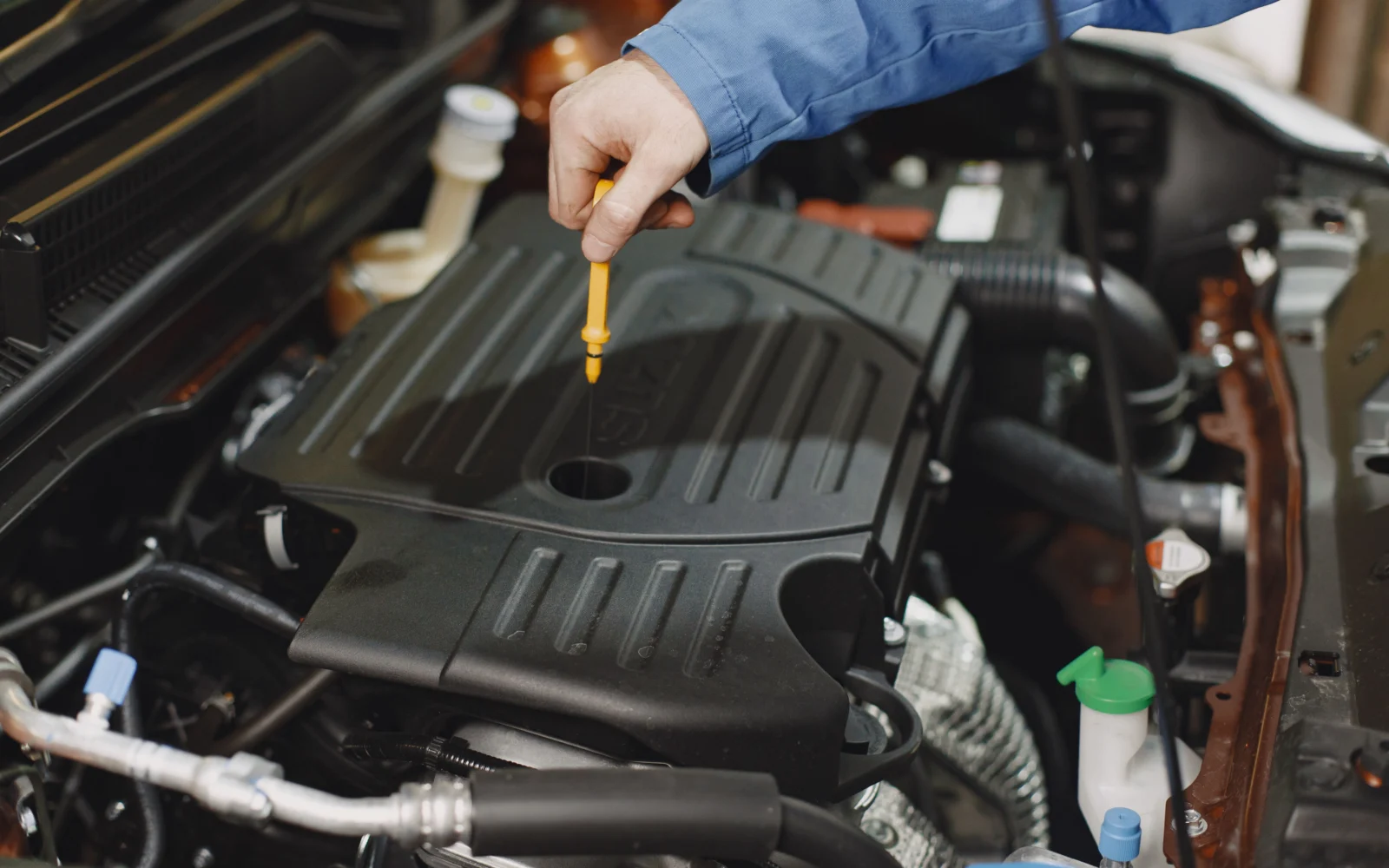
Engine oil is one of the essential operating fluids, yet drivers often notice it only when a warning light comes on. By then, it may be too late to calmly look for the dipstick in a car park. For most vehicles, regular checks take only a moment, but the exact procedure may vary depending on the engine design. The owner’s manual for the specific vehicle should therefore be your first source of information.
Check the engine oil on level ground and follow the manufacturer’s instructions, usually after switching off the engine and waiting briefly for the oil to drain back into the sump. If the car has a dipstick, pull it out, wipe it clean, insert it fully, then remove it again and read the level between the minimum and maximum marks. Top up only with oil of the specified grade and in small amounts.
Why is it not enough to wait for a dashboard warning light?
Not every oil warning light means the same thing. Some vehicles warn of a low oil level, while others indicate dangerously low oil pressure. A red pressure warning is not a reminder to check the oil at your next fuel stop. If a low-pressure warning appears, stop safely, switch off the engine and follow the manual; continuing to drive may damage the engine.
The oil level may fall because the engine consumes oil or because of a leak, but the warning light may not react to every small change. Regularly checking the dipstick or electronic reading will reveal a trend earlier. If the level is dropping quickly, simply topping it up repeatedly does not address the cause.
Choose the checking frequency according to the manufacturer’s instructions, the vehicle’s condition and how demanding its use is. Before a longer journey, or with an older engine, it is worth knowing the current level rather than relying on the last service stamp.
Procedure for a car with a conventional dipstick
Park on level ground and switch off the engine. In its Slovak guide, Castrol recommends waiting at least ten minutes for the oil to drain back into the sump. However, some vehicle manufacturers may specify a different engine temperature or waiting time, so the vehicle manual takes precedence over general guidance.
Open and secure the bonnet, locate the dipstick, and have a clean cloth or paper towel ready. Pull out the dipstick, wipe it clean and insert it fully until it stops. Then remove it again and check how far the continuous oil trace reaches. Do not be misled by oil smeared along the tube on the first removal.
The level should be between the minimum and maximum marks. The exact interpretation and the amount of oil between the marks depend on the engine. Do not assume that the distance always represents one litre. If you are unsure about the result, repeat the measurement under the same conditions.
When handling the dipstick, avoid hot engine parts, moving components and dirt that could fall into the filler opening. There is no need to dismantle anything or raise the car for this check.
What should you do if the oil level is low?
If the level is close to or below the minimum mark, check the manual for the specified oil viscosity and technical specification. The same viscosity number on the container may not be enough if the manufacturer requires a specific approval. If unsure, verify the details for your vehicle or contact a service centre.
Unscrew the filler cap and add small amounts gradually. Wait for the oil to drain down, then measure again. Castrol warns that overfilling the engine is also undesirable; blindly pouring in an entire bottle can cause further problems. The goal is not to bring the level above the maximum mark.
If you do not have the correct oil, or the car indicates low oil pressure, do not continue driving simply because a filling station is nearby. If a red pressure warning appears, switch off the engine safely as soon as possible in accordance with the manufacturer’s instructions and arrange assistance. For an ordinary low oil level, follow the different procedure stated in the manual.
What if you cannot find a dipstick in the car at all?
Some modern cars use electronic oil-level measurement. The manufacturer may require a warmed-up engine, a switched-off engine or a precise sequence in the vehicle menu. Do not look for a physical dipstick that does not exist or try to improvise through the filler opening.
For an electronic measurement, ensure the conditions required by the system are met: level ground, the appropriate temperature and the necessary waiting time. If no reading is available, the required conditions may not have been met, there may be a sensor fault, or another limitation may apply. Do not mask a service message by repeatedly resetting it.
If the vehicle displays the level only in the onboard menu, take a photo of the reading or note down the date. The important thing is the trend: whether the level remains stable or drops significantly between checks.
How can you identify unusual oil consumption or a leak?
Look for spots under the vehicle, oily residue around the engine and how quickly the level falls between measurements. Not every dark spot is engine oil; it may be another fluid. Do not taste an unidentified liquid or touch hot engine areas to identify it.
If you are regularly topping up increasing amounts of oil, or the level suddenly drops, a professional inspection is advisable. Restoring the quantity may temporarily correct the reading, but it will not repair a seal, wear or another underlying cause. If smoke, an unusual noise or a pressure warning also appears, do not postpone action until the scheduled service appointment.
The appearance of oil on the dipstick can offer clues, but colour alone does not reliably determine how much useful life it has left. The oil-change interval depends on the manufacturer’s instructions and operating conditions, not on whether the oil has already turned dark.
The most common checking mistakes
Measuring on a steep slope, checking immediately after switching off the engine despite different instructions, not inserting the dipstick fully, and adding too much oil are all unnecessary sources of error. Do not rely on universal advice intended for a different vehicle model either.
The correct procedure is simple: consult the manual, use level ground, ensure suitable conditions, use a clean dipstick or electronic measurement, and top up carefully. Monitor the level regularly. An urgent oil-pressure warning is no longer a routine check, but a situation that requires stopping safely and addressing the cause.
Sources
- Castrol Slovakia – How to check engine oil (dipstick procedure and measurement conditions) – https://www.castrol.com/sk_sk/slovakia/home/learn/car-maintenance/how-to-check-engine-oil.html
- Castrol Slovakia – How to top up engine oil (gradual topping up and the risk of overfilling) – https://www.castrol.com/sk_sk/slovakia/home/learn/car-maintenance/how-to-top-up-your-engine-oil.html

Gabriel Čatár
I'm interested in everyday things we encounter but don't always understand. From technology and personal finance to practical guides and fascinating facts about the world. At Offpitch, I focus on topics worth exploring in greater depth, checking the facts and explaining them in a clear, accessible way. My goal is to make sure readers take away something useful from every article.


