
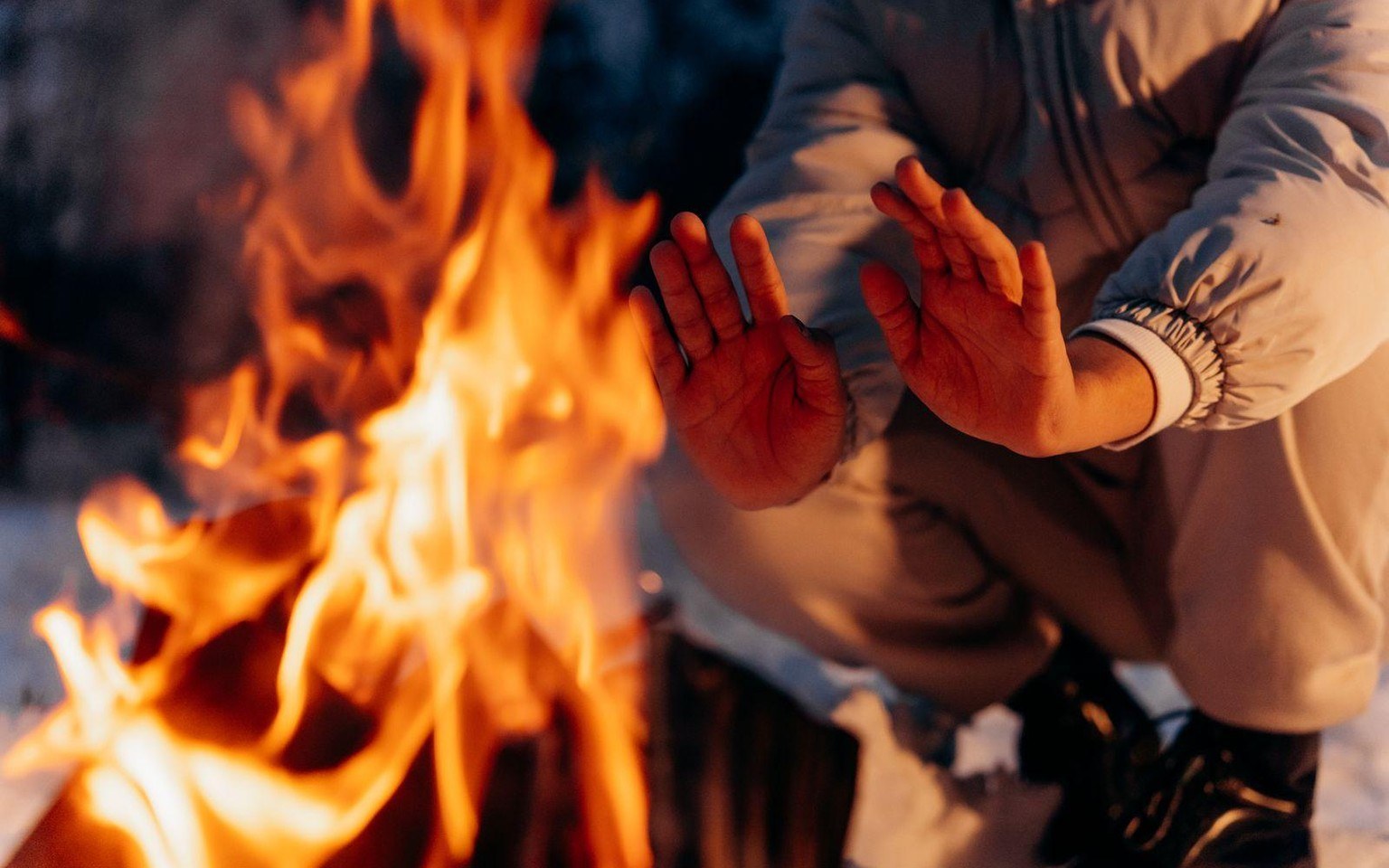
You may be sitting at home in a warm room, yet your toes feel icy. Or your fingers may suddenly change color when you open the freezer. Cold limbs have several possible causes: sometimes they are simply a response to the environment, while in other cases they may indicate impaired circulation, altered nerve sensation, or an underlying health problem. The accompanying symptoms are especially important, as is whether the coldness affects both sides or is sudden and pronounced on only one side.
Cold hands and feet often occur because, in cold conditions, the body constricts small blood vessels and limits heat loss. Repeated episodes in which fingers turn pale or blue may be linked to Raynaud's phenomenon. Persistent sensitivity to cold can also have other causes. If one limb suddenly becomes cold, painful, pale, or numb, it requires urgent medical assessment.
Why the body conserves heat in the fingers during winter
When it is cold outside, the body tries to maintain a stable temperature in vital internal organs. One mechanism is the constriction of blood vessels near the surface of the skin. Fingers and toes are far from the body's core, have a large surface area relative to their volume, and cool down more quickly when blood flow is reduced.
This can be temporary, for example after a long walk in thin shoes or after sitting still for a long time. If the feeling goes away after moving somewhere warm and warming up gradually, it may not indicate a disease. However, the subjective temperature of the hands alone is not enough for a diagnosis; what matters is how long the problem lasts and whether it is accompanied by color changes or pain.
Feeling cold all the time, even in a whole room, is not quite the same as having cold fingers. With long-term cold intolerance, a doctor may consider causes such as anemia, an underactive thyroid, or other conditions. MedlinePlus specifically states that prolonged or extreme cold intolerance is a reason to contact a healthcare professional.
Raynaud's phenomenon: when fingers turn from white to blue
In Raynaud's phenomenon, the small blood vessels in the fingers react to cold or stress by constricting more strongly. Typical symptoms may include paleness, followed by a bluish color, and redness as blood flow returns. Not everyone goes through all the color changes, and they may be less noticeable on darker skin. Pain, tingling, or numbness may also occur.
There is a primary form, in which no related disease is identified, and a secondary form associated with another medical condition. The US National Institute of Arthritis and Musculoskeletal and Skin Diseases (NIAMS) notes a link with some autoimmune diseases; in some cases, similar symptoms are also associated with medications or occupational exposure to vibration. Distinguishing between them is a matter for a doctor, not an online test based on a photo of your hands.
If episodes are getting worse, are painful, cause sores on the fingertips, or first appeared together with other symptoms, arrange a medical examination. Common preventive measures may ease symptoms, but they do not rule out a secondary cause.
When it may be an arterial problem
In peripheral artery disease of the legs, reduced blood flow may affect a leg. In addition to pain while walking, the American Heart Association describes a cooler temperature in one leg, color changes, and slow-healing wounds. Not everyone has all these symptoms, and some people do not feel pain at all.
Asymmetry is especially important. If one leg is repeatedly noticeably colder than the other, or if there is pain while walking, a wound that does not heal, or a change in color, have the condition assessed. Do not automatically dismiss it as “poor circulation” that can be fixed with a home massage or a dietary supplement.
The sudden onset of severe pain, paleness, or marked coldness in one limb together with impaired sensation or movement is a different, urgent situation. Do not wait for a routine appointment with a general practitioner; seek emergency care. Sudden bluish discoloration of the lips or face with breathing difficulties or chest pain is also a reason to call for help immediately.
The role of nerves, hormones, and overall health
The sensation of cold does not always correspond to an actually low skin temperature. Nerve problems may cause tingling, burning, numbness, or altered temperature perception. With diabetes or other illnesses, targeted assessment of sensation and foot health may be needed.
With anemia and thyroid disorders, the overall picture also matters: fatigue, weight changes, shortness of breath, or cold intolerance. None of these symptoms alone determines a diagnosis. A doctor will base the assessment on a discussion, examination, and, if needed, blood tests.
If symptoms began after a change in medication, discuss this with the prescribing doctor or a pharmacist. Some medications can affect vascular responses, but do not stop treatment on your own. Likewise, avoid promises made by online products that claim to “get the blood flowing” immediately without identifying the cause.
How to help safely at home
Layering clothing, wearing warm dry socks and gloves, and avoiding sudden temperature changes can help. With Raynaud's symptoms, keeping the whole body warm, not just the fingers, may be useful. Regular, appropriate exercise supports overall fitness, and breaking up long periods of sitting may ease the feeling of stiffness.
Do not warm chilled hands abruptly on a hot radiator or immerse them in water that is too hot, especially if you have reduced sensation. There is a risk of burns. Gradual warming and dry clothing are safer. If pain does not go away or there is unusual discoloration, do not rely on home measures.
If episodes recur, note the triggers, duration, skin color, and accompanying symptoms. A photo taken during an episode may help during a consultation, but it should not be used instead of a medical examination. If you have problems with wound healing, other illnesses, or pronounced asymmetry of the limbs, do not delay assessment.
How to describe it to a doctor
Say whether both hands and feet are cold or whether only one part of the body is affected. Mention pain while walking, tingling, loss of sensation, color changes, sores, or general fatigue. Include any medications you take, smoking, and occupational exposure to cold or vibration. This information helps distinguish a normal reaction to cold from a condition requiring further tests.
This article is intended to help you understand the symptoms and does not replace an individual diagnosis. Seek urgent help for sudden, marked symptoms in one limb or for alarming general symptoms.
Sources
- National Institute of Arthritis and Musculoskeletal and Skin Diseases – Raynaud's Phenomenon – https://www.niams.nih.gov/health-topics/raynauds-phenomenon
- MedlinePlus – Cold intolerance – https://medlineplus.gov/ency/article/003095.htm
- American Heart Association – What Are the Symptoms of PAD? – https://www.heart.org/en/health-topics/peripheral-artery-disease/symptoms-of-pad
- NHS – Blue or grey skin or lips (cyanosis) – https://www.nhs.uk/symptoms/blue-skin-or-lips-cyanosis/

Gabriel Čatár
I'm interested in everyday things we encounter but don't always understand. From technology and personal finance to practical guides and fascinating facts about the world. At Offpitch, I focus on topics worth exploring in greater depth, checking the facts and explaining them in a clear, accessible way. My goal is to make sure readers take away something useful from every article.


