
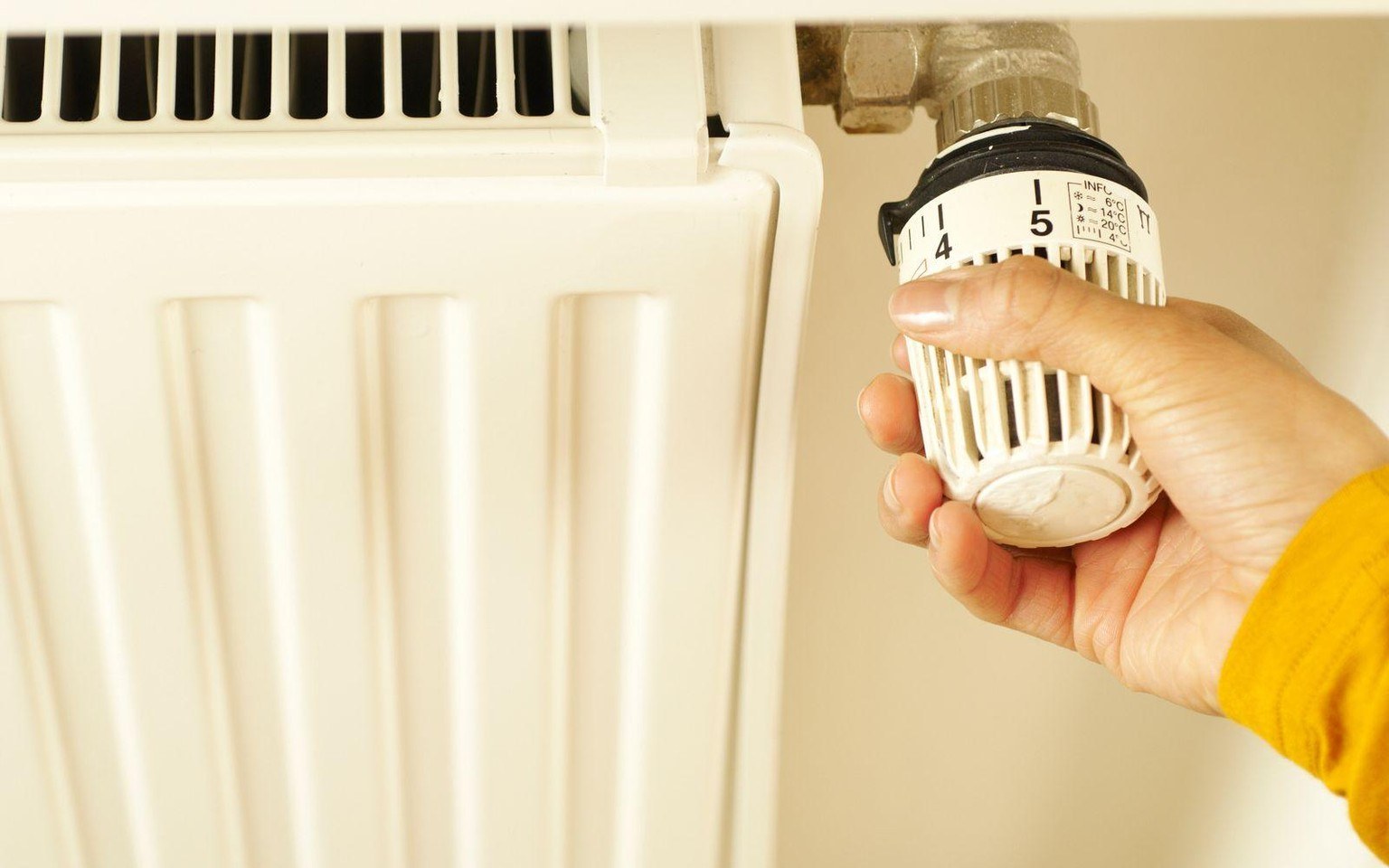
In summer, a household’s electricity and gas use may seem quite reasonable, but once freezing weather arrives, both consumption and bills change. Sometimes the monthly payment jumps; other times, it is the annual bill that does. A higher amount is not necessarily caused only by higher energy prices. Heat loss, weather, water heating, and the way the supplier calculates advance payments also matter.
Energy bills are higher in winter mainly because households need more heat for space heating and often for water heating as well. However, the difference may also be linked to the price per kilowatt-hour, advance payments, the length of the billing period, or a meter-reading adjustment. Compare consumption in kWh, unit prices, and fixed charges. Only then can you tell whether you are paying more for energy or because of changed billing.
1. Heating is usually the biggest difference
When it is 15 degrees outside and 21 degrees indoors, the temperature difference is small. At minus 5 degrees, however, a building loses much more heat through its walls, windows, roof, and ventilation. A boiler, heat pump, or electric radiators must continually make up for those losses. The issue is therefore not necessarily that the appliance is working less efficiently, but that more heat is needed.
The Slovak Innovation and Energy Agency points out that heating’s share of total consumption varies according to the type of home. An older, uninsulated house behaves differently from an apartment in the middle of an apartment building. It is therefore not accurate to say that every household will pay the same percentage more in winter.
The duration of cold spells also matters. One freezing week may have less impact than an entire month of persistent cold, even if the lowest recorded temperature is similar. When comparing years, it helps to track not only prices, but also consumption and weather patterns.
2. Higher electricity use is not necessarily only due to heating
Winter days are shorter, lights are used more often, and people spend more time at home. An electric water heater may need more energy to heat colder incoming water. With electric heating, this effect is usually more significant than the electricity used for lighting. Households with gas heating may see gas consumption rise, while electricity use increases only slightly.
With a heat pump, its operating conditions must also be considered. In cold weather, an air-source heat pump may be less efficient; the result depends on the specific model, its settings, and any supplementary electric heating. This does not justify the blanket claim that “a heat pump does not save energy in winter.”
If you use dual-tariff metering, check how much energy was used at the high and low tariff rates. A change in the distribution of consumption can affect the final price even without a significant increase in the total number of kWh.
3. Energy prices and consumption are two different figures
A bill usually includes a variable component tied to the amount consumed and charges that apply even when consumption is low. For electricity or gas, these may include supply, distribution, a fixed charge, and other regulated items. The applicable tariff, supplier, and price list in force during the billing period are decisive.
For a year-on-year comparison, have two bills ready and separate these questions: How many kWh did we use? What was the total unit price? How much did the fixed charges cost? If consumption has not changed but the bill has increased, examine the prices and billing details. If prices have remained the same and the number of kWh is higher, look for an explanation in household use, the weather, or the equipment.
Be careful when comparing periods of different lengths. A bill for 35 days cannot be compared with one for 28 days without adjustment. Average daily consumption can help, but for heating, even that does not tell the full story unless the weather is taken into account.
4. An advance payment is not the same as actual monthly consumption
Many households make regular advance payments throughout the year. The supplier may set them based on previous consumption and expected costs. As a result, the monthly advance payment in winter may not match actual winter consumption: high winter costs are sometimes spread across the summer months as well.
The annual settlement then accounts for consumption based on a meter reading or an established alternative method and deducts the advance payments already made. An outstanding balance may result from higher consumption, lower advance payments, or a combination of both. It does not automatically mean that the supplier charged an incorrect price.
Check whether the electricity or gas meter reading was actually taken, estimated, or self-reported. If there is a discrepancy, take a photo of the current reading and follow the supplier’s complaint procedure. Do not compare the outstanding balance alone without considering the total price and the sum of the advance payments.
5. Heat may be escaping from the building unnecessarily
Drafts around windows, poorly sealed doors, insufficient insulation, and incorrectly set controls all increase costs. SIEA recommends not overheating rooms, not covering radiators with furniture, and airing rooms briefly and intensely rather than leaving a window slightly open all day. Some measures are inexpensive, while others require professional design and a larger investment.
Do not forget about humidity. A damp or underheated room is not a reason to turn the heating off completely. Prolonged cooling can encourage condensation and mould. If you suspect heat loss, a professional assessment is more useful than automatically buying products based on advertising.
Illustrative example: what an increase on a bill means
Imagine that a household used 600 kWh in one month and 900 kWh during a colder period. At a purely illustrative variable price of €0.15 per kWh, that equals €90 versus €135, a difference of €45 before fixed charges. If the unit price also changed, the result would be different. This is not a current price list or a bill forecast. Check the price and tariff in your own contract and on your bill.
You will learn the most by comparing consumption, meter readings, the length of the period, and the price. Only then does it make sense to consider insulation, controls, or changing your tariff plan. A higher winter amount alone does not prove a meter fault or a price increase.
Sources
- Slovak Innovation and Energy Agency – How to reduce household heat consumption for space and water heating – https://www.siea.sk/bezplatne-poradenstvo/publikacie-a-prezentacie/ako-v-domacnosti-znizit-spotrebu-tepla-na-vykurovanie-a-ohrev-vody/
- Slovak Innovation and Energy Agency – How to reduce household energy consumption – https://www.siea.sk/bezplatne-poradenstvo/publikacie-a-prezentacie/ako-v-domacnosti-znizit-spotrebu-energie-a-zavislost-od-fosilnych-paliv/

Gabriel Čatár
I'm interested in everyday things we encounter but don't always understand. From technology and personal finance to practical guides and fascinating facts about the world. At Offpitch, I focus on topics worth exploring in greater depth, checking the facts and explaining them in a clear, accessible way. My goal is to make sure readers take away something useful from every article.


