
Aktualizované 16.08.2026
The idea that someone can appear drunk without having a single alcoholic drink sounds more like the premise of a comedy than a real diagnosis. Yet auto-brewery syndrome is recognized by medicine, and some patients have had objectively elevated blood alcohol levels during episodes. Far from being pleasant, the condition can seriously affect health, work, relationships and the ability to drive.
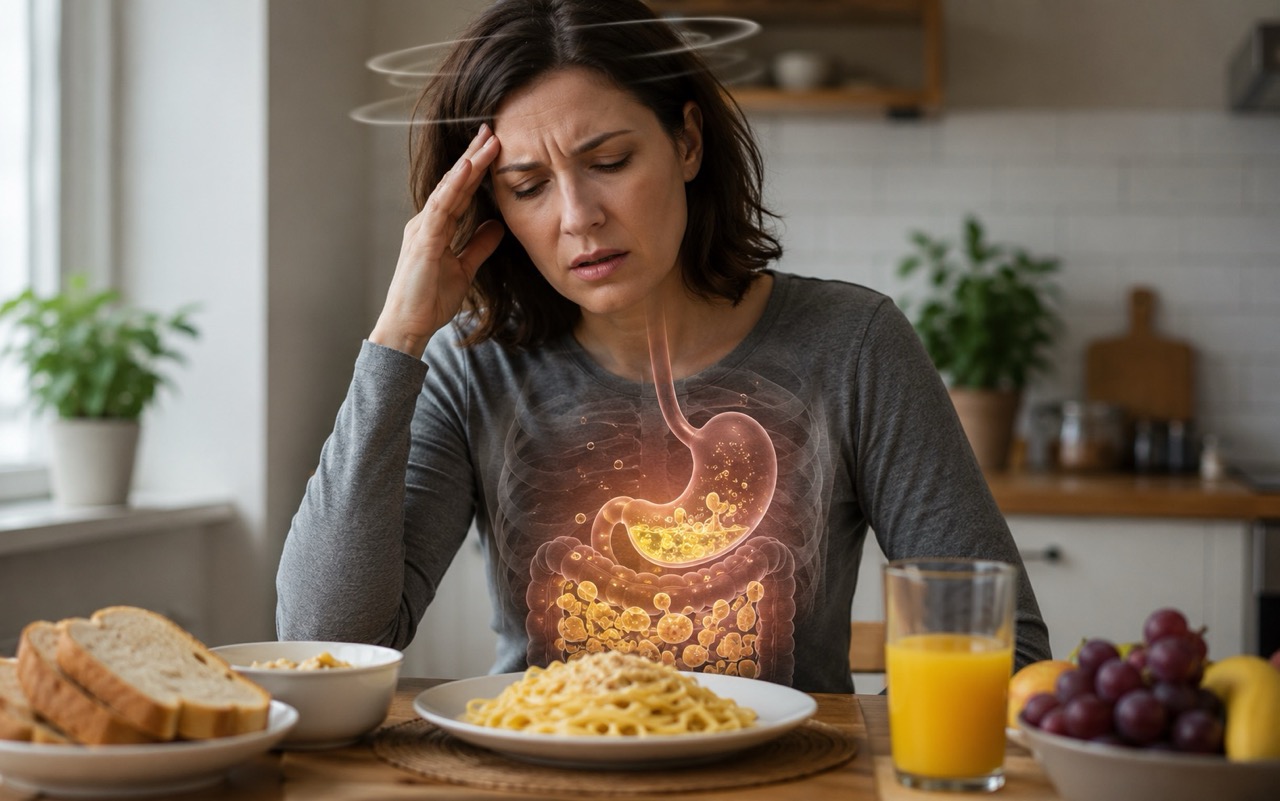
Auto-brewery syndrome is a rare disorder in which microorganisms in the digestive tract convert carbohydrates from food into ethanol. As a result, the affected person may feel drunk, have slower reactions or balance problems, or experience a “hangover” despite not drinking alcohol. The diagnosis is confirmed through medical evaluation and a controlled carbohydrate challenge, not with a home breathalyzer alone.
What is auto-brewery syndrome?
Auto-brewery syndrome, also known as gut fermentation syndrome, is a condition in which unusually large amounts of ethanol are produced in the digestive tract. The underlying process is not entirely foreign to healthy people. Some microorganisms living in the intestines can produce small amounts of alcohol while processing sugars, but under normal circumstances the body quickly metabolizes it.
The problem arises when ethanol-producing microorganisms multiply excessively or produce alcohol faster than the liver and other metabolic mechanisms can break it down. The ethanol then enters the bloodstream and can cause the same effects as alcohol consumed in beer, wine or spirits. Cleveland Clinic states that fewer than 100 cases have been documented, although the true number may be higher because awareness is low and confirming the diagnosis is difficult. citeturn239559view0
How can the gut produce alcohol?
Carbohydrate fermentation
Microorganisms use sugars and starches from food as a source of energy. Through fermentation, they can convert carbohydrates into various substances, including ethanol. The principle is similar to the production of alcoholic beverages, except that the process takes place directly inside the digestive system.
Symptoms therefore often occur after meals rich in simple sugars or easily digested starches. Possible triggers include large amounts of sweets, sugary drinks, white bread and other refined baked goods, pasta, rice, potatoes or fruit juice. The reaction may not be immediate and, in some people, may not appear until several hours later.
Yeasts are not the only possible culprit
Earlier cases of auto-brewery syndrome were often associated mainly with the yeasts Saccharomyces cerevisiae or Candida albicans. These organisms can ferment sugars much like the yeasts used in baking or brewing. More recent research, however, suggests that bacteria may also play a significant role.
A study published in Nature Microbiology in January 2026 examined 22 patients with auto-brewery syndrome and 21 of their healthy partners living in the same household. During active episodes, the patients’ samples produced more ethanol under laboratory conditions. The researchers also found higher levels of Escherichia coli and Klebsiella pneumoniae, as well as more genes involved in alcohol-producing metabolic pathways. citeturn419489view1
What are the symptoms of auto-brewery syndrome?
Symptoms depend on the amount of ethanol produced, how quickly it is absorbed and how effectively the individual can break down alcohol. Milder episodes can be subtle and may resemble fatigue, overwork, low blood pressure or sleep deprivation. As the alcohol concentration rises, however, the symptoms increasingly resemble ordinary intoxication.
Possible symptoms include:
- brain fog and difficulty concentrating,
- drowsiness and severe fatigue,
- slower reactions,
- unsteady walking and balance problems,
- slurred or slowed speech,
- impaired judgment,
- memory lapses,
- mood changes or irritability,
- facial flushing,
- blurred vision,
- nausea and vomiting,
- headache,
- feeling “hungover” without having drunk alcohol,
- bloating, gas and abdominal pain.
Not every patient experiences all of these symptoms, and episodes can vary in intensity. To others, the person may appear drunk, while they themselves may not be fully aware of the change in their behavior. Testimony from a partner or another close person can therefore be very important during diagnosis.
What increases the risk?
Auto-brewery syndrome probably does not have a single cause. It usually involves a combination of disrupted gut microbiota, conditions that favor fermentation and an inability to process the alcohol produced quickly enough.
Antibiotic use
In several reported cases, the problems began after prolonged or repeated antibiotic treatment. Antibiotics can suppress some of the usual gut bacteria, creating room for more resistant bacteria or yeasts to multiply. This does not mean that routine antibiotic treatment automatically causes auto-brewery syndrome, but it may be one of the factors that disrupt the balance of the microbiome.
Digestive and metabolic disorders
A higher risk has been reported in people with diabetes, liver disease, impaired gastrointestinal motility, small intestinal bacterial overgrowth, inflammatory bowel disease or a history of surgery that altered the length or function of the intestine. Higher sugar levels give microorganisms more raw material for fermentation, while a damaged liver may break down the ethanol produced more slowly.
A diet rich in sugars and starches
Eating bread or pasta alone is not enough to cause the syndrome in a healthy person. If the gut microbiota is already disrupted, however, large amounts of readily available carbohydrates may intensify fermentation and trigger symptoms. Patients sometimes notice a recurring pattern between a particular food and subsequent lethargy or changes in behavior.
Why is the diagnosis often missed?
Apparent intoxication without admitted alcohol consumption naturally raises doubts. The patient may be assumed to be hiding their drinking, or their difficulties may be attributed to a mental health condition, medication use, drugs, a neurological problem or a metabolic disorder. Diagnosis is further complicated by the fact that alcohol levels may be completely normal between episodes.
There is no single, simple test that reliably confirms auto-brewery syndrome in every case. Doctors must therefore combine the patient’s medical history, observation of symptoms, laboratory measurements and microbiological testing. It is also important to rule out actual alcohol consumption, other forms of intoxication, liver disease, neurological causes and metabolic disorders.
How is auto-brewery syndrome diagnosed?
Measuring alcohol in the blood or breath
The key is to demonstrate the presence of ethanol at a time when credible evidence indicates that the patient has not consumed alcohol. A single positive result, however, is not enough to confirm the diagnosis. Measurements may be repeated at different times, ideally during a medically supervised stay with controlled food and drink intake.
A home breathalyzer may detect a recurring pattern and provide a useful record for the doctor, but it cannot be considered definitive evidence. Cheap or uncalibrated devices may be inaccurate, and results can also be temporarily affected by mouthwash, certain foods or the way the test is performed.
Controlled carbohydrate challenge
Published cases have used a controlled test following an overnight fast. The patient was given a precisely measured amount of glucose, after which their blood or breath alcohol level was measured at set intervals. In one of the best-known protocols, 200 grams of glucose was administered and sampling continued for up to 24 hours, because the rise in alcohol may not occur immediately.
This type of test must not be attempted at home. A high dose of glucose may be unsafe for people with diabetes and, in someone who does have auto-brewery syndrome, could cause severe intoxication. In a reported case from 2019, doctors supplemented the diagnostic process by collecting intestinal secretions, culturing microorganisms and testing their susceptibility to treatment. citeturn841612search12
Microbiological and other tests
A doctor may recommend a stool culture, testing for bacterial or yeast overgrowth, blood tests, liver function tests and blood glucose testing. In some cases, endoscopy is performed to collect fluid from the digestive tract, because a stool sample alone may not accurately show what is happening in the stomach or small intestine.
The evaluation may also include testing for diabetes, liver disease, inflammatory bowel disease or slowed intestinal motility. Successful treatment often depends on addressing the underlying problem that originally allowed the microorganisms to multiply.
How is auto-brewery syndrome treated?
Treatment is tailored to the microorganism thought to be producing the alcohol and to the patient’s overall health. For yeast overgrowth, a doctor may prescribe antifungal medication, while a confirmed bacterial cause may be treated with targeted antibacterial therapy. Medication should not be used without cultures and medical supervision, because the wrong treatment could further disrupt the intestinal balance.
Temporarily restricting simple sugars and easily digested starches is often part of the treatment. The goal is not to eliminate all carbohydrates for life, but to reduce the amount of raw material available for fermentation while microbial balance is being restored. The diet should be planned with a doctor or dietitian to ensure it remains nutritionally adequate and safe.
Probiotics are used as a supplement in some cases, but evidence regarding specific strains and dosages remains limited. A systematic review of published cases identified antifungal medications, antibiotics, low-carbohydrate diets and probiotics among the approaches used, but also highlighted the small number of patients and the lack of standardized diagnostic and treatment guidelines. citeturn841612search1
Is a gut microbiota transplant the answer?
Fecal microbiota transplantation transfers processed intestinal microorganisms from a thoroughly screened donor into the patient’s digestive tract. The aim is to restore a more diverse and stable microbiome. A recent study reported improvement in one patient after this treatment, but a single case is not enough to establish its general effectiveness.
Microbiota transplantation is therefore not currently a routine or first-line treatment for auto-brewery syndrome, nor is it something to attempt at home. It is performed only under specialist supervision and carries a risk of transmitting infections or harmful microorganisms. Attempts using unverified home procedures can be dangerous.
Can someone fail a breath alcohol test without drinking?
In confirmed auto-brewery syndrome, a breath test may detect alcohol produced inside the body. Ethanol produced by gut microorganisms is chemically identical to ethanol consumed in an alcoholic beverage, so an ordinary breathalyzer cannot distinguish where it came from.
However, having the diagnosis does not automatically mean that every positive result can be attributed to the syndrome. In traffic or legal cases, objective medical records, repeated examinations and expert assessment are crucial. A person with unpredictable episodes should not drive, operate machinery or perform hazardous work, even if they have not knowingly consumed alcohol.
What complications can an untreated condition cause?
Repeated internal alcohol production places a burden on the body similar to regular drinking. It may increase the risk of injuries, traffic accidents, liver damage, memory problems and mental health difficulties. The social consequences can also be significant, as family members, employers or healthcare professionals may not initially believe the patient.
Severe alcohol intoxication can impair consciousness, breathing and protective reflexes. If someone is unconscious, repeatedly vomiting, severely disoriented, having seizures, breathing irregularly or cannot be awakened, emergency medical help must be called immediately. This applies regardless of whether the alcohol was consumed or may have been produced inside the body.
Can auto-brewery syndrome be cured?
In many reported patients, symptoms resolved after targeted treatment and dietary changes. The outcome, however, depends on the underlying cause, the types of microorganisms involved and any accompanying conditions. If the intestinal imbalance returns, episodes of alcohol production may also recur.
Follow-up care, gradual expansion of the diet and treatment of diabetes, liver disease or the digestive problem that contributed to the syndrome are therefore important. Prolonged unsupervised fasting or an extreme carbohydrate-free diet is not a safe substitute for medical care.
What should you do if you suspect auto-brewery syndrome?
It can be helpful to record the timing and composition of meals, the onset of symptoms, medications taken and observations made by people nearby. A log from a home breathalyzer may provide supplementary information, but the suspected condition should be assessed by a gastroenterologist, an internal medicine specialist or a doctor experienced in disorders of the gut microbiome.
During an episode, it is not safe to drive or to remain unsupervised if the person is disoriented or has balance problems. The purpose of the evaluation is not only to confirm an unusual diagnosis, but above all to rule out more common and potentially dangerous causes of similar symptoms.
Video: How the gut can produce alcohol
An interview with researcher Barbara Cordell explains the symptoms of auto-brewery syndrome, the challenges involved in diagnosis and the findings of more recent research into gut microorganisms.
Frequently asked questions
Is auto-brewery syndrome a real medical condition?
Yes. It is a medically documented, though very rare, condition. In published cases, alcohol was measured in the blood without confirmed consumption, and in some patients ethanol production recurred during a controlled carbohydrate challenge.
Does everyone produce alcohol in their intestines?
Gut microorganisms can produce very small amounts of endogenous ethanol even in healthy people. Under normal circumstances, the body processes it before it reaches a concentration capable of causing intoxication. Auto-brewery syndrome occurs only when production is unusually high or the alcohol is not broken down efficiently enough.
Can the syndrome develop after taking antibiotics?
Prolonged or repeated antibiotic treatment has appeared in the medical histories of several patients, probably because it disrupted their gut microbiota. Most people who take antibiotics, however, do not develop this syndrome. It generally requires a combination of several factors.
Can auto-brewery syndrome also occur in children?
Cases have been reported in both adults and children, including those with short bowel syndrome. However, in a child with unexplained drowsiness, balance problems or altered consciousness, accidental ingestion of alcohol, medication or another toxic substance must first be ruled out urgently.
Can the syndrome be detected with a breathalyzer alone?
No. A breathalyzer can detect alcohol in the breath, but it cannot determine its origin or confirm a specific diagnosis. Auto-brewery syndrome is assessed using controlled measurements, medical history, a carbohydrate challenge and, where necessary, microbiological tests.
Sources
- Cleveland Clinic – Auto-Brewery Syndrome: Symptoms, Causes & Treatment
https://my.clevelandclinic.org/health/diseases/auto-brewery-syndrome - Nature Microbiology – Gut microbial ethanol metabolism contributes to auto-brewery syndrome in an observational cohort
https://www.nature.com/articles/s41564-025-02225-y - BMJ Open Gastroenterology – Case report and literature review of auto-brewery syndrome: probably an underdiagnosed medical condition
https://bmjopengastro.bmj.com/content/6/1/e000325 - United European Gastroenterology Journal – Gut fermentation syndrome: A systematic review of case reports
https://pmc.ncbi.nlm.nih.gov/articles/PMC8259373/

Jana
I like turning curiosity into words, and writing articles is my way of capturing ideas before they slip away — and sharing them with anyone who feels like reading.


